How California Property Tax Calculations Work
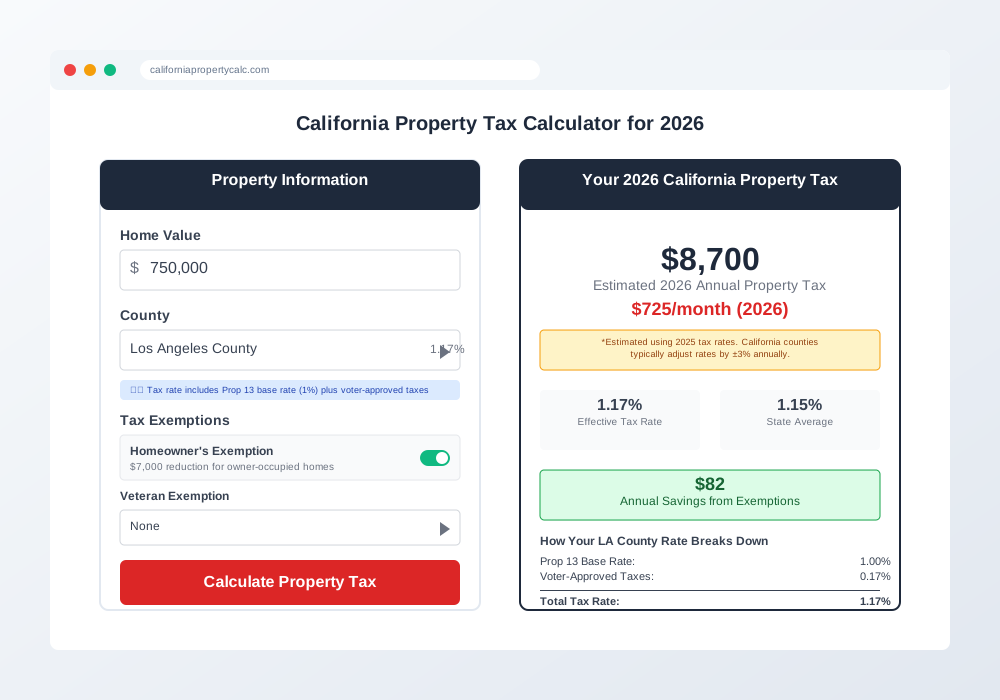
Enter Your Property Value
Start with your home's current market value. In California, your property tax is based on the purchase price plus limited annual increases thanks to Proposition 13. If you recently bought your home, use the purchase price. If you've owned it for years, your assessed value is likely much lower than market value.
Select Your California County
Each of California's 58 counties has different tax rates. We use official rates from county assessors, including base rates plus voter-approved bonds and assessments.
California's average property tax rate is 0.73%, among the lowest in the nation thanks to Proposition 13. Rates range from 0.5% in Alpine County to over 1.3% in some areas with special assessments.
Apply California Exemptions
Select exemptions you qualify for. California offers several property tax exemptions, with the Homeowner's Exemption being the most common:
- Homeowner's Exemption: $7,000 reduction in assessed value for owner-occupied homes
- Disabled Veteran: $4,000 to $203,550 based on disability rating and income
- Senior Property Tax Postponement: State loan program for seniors 62+ with limited income
- Proposition 19 Transfer: Keep your low tax base when moving (55+ or disabled)
Get Your Estimate
We calculate your annual and monthly property tax based on current rates and show you exactly how much you could save with exemptions.
Understanding California Property Tax Calculations
Basic Formula
Property Tax = (Assessed Value - Exemptions) × Tax RateWhat Makes California Different
California property tax calculations are governed by Proposition 13, creating a unique system:
Proposition 13 Protection
Property taxes are based on purchase price, not current market value. Annual assessment increases are capped at 2% regardless of market appreciation.
Base Year Value
Your "base year" is when you bought your home. This becomes your assessed value, protecting long-term owners from market increases.
Reassessment on Transfer
Properties are reassessed to market value only when sold or transferred, creating significant tax differences between neighbors.
Your California Tax Rate Includes:
- Base 1% Rate: The Proposition 13 constitutional limit
- Voter-Approved Bonds: School bonds, infrastructure, and other approved measures
- Special Assessments: Mello-Roos districts, lighting, landscaping
- Direct Assessments: Parcel taxes and benefit assessments
California Calculation Example
Current Market Value: $1,200,000
Purchase Price (2015): $800,000
2024 Assessed Value (with 2% annual increases): $956,594
Less: Homeowner's Exemption: -$7,000
Taxable Value: $949,594
Tax Rate: 1.25% (including voter-approved bonds)
Annual Tax: $11,870
Prop 13 Savings: $3,067/year vs. market value assessment
Understanding Proposition 13
Key Points: California's Proposition 13 (1978) fundamentally changed property taxation:
- Limits property tax to 1% of assessed value plus voter-approved bonds
- Caps annual assessment increases at 2% or inflation, whichever is less
- Reassessment to market value only occurs upon sale or transfer
- Proposition 19 (2020) allows some tax base transfers for seniors and wildfire victims
This creates significant tax advantages for long-term homeowners but higher taxes for recent buyers.
California Property Tax Timeline
Understanding California's property tax calendar helps you plan and take advantage of important deadlines:
Lien Date
Property values assessed as of this date. Ownership and exemption eligibility determined. This is the most important date in California property tax.
Exemption Deadline
Final deadline to apply for Homeowner's Exemption, Disabled Veteran Exemption, and other property tax relief programs.
Assessment Appeals Period
File assessment appeals with county Assessment Appeals Board if you believe your property is overassessed. Deadlines vary by county.
Tax Bills Mailed
Annual tax bills sent to property owners. California allows payment in two installments.
Payment Due Dates
First installment due December 10, second installment due April 10. Penalties apply after these dates: 10% penalty plus costs.
Our California Data Sources
We gather tax rates and information from official California sources to ensure accuracy:
County Assessors
Official tax rates, assessed values, and exemption information from all 58 California county assessors.
Tax Collectors
Current tax rates including voter-approved bonds and special assessments from county tax collectors.
Special Districts
Mello-Roos Community Facilities Districts, improvement districts, and other special assessment information.
State Board of Equalization
California State Board of Equalization for property tax rules, exemption amounts, and Proposition 13 guidance.
California Update Schedule
We update rates annually when California counties finalize their tax rates, typically in August-September, including all voter-approved measures.
Why Use Our California Calculator?
Always Current
Updated annually with the latest official tax rates from all 58 California counties, including voter-approved bonds.
Proposition 13 Aware
Unlike generic calculators, we understand California's unique assessment system based on purchase price, not market value.
Complete Privacy
All calculations happen in your browser. We don't store or track your property information or personal data.
California Exemptions
Includes Homeowner's Exemption, Disabled Veteran Exemption, and information about Proposition 19 transfer benefits.
Special Assessments
Accounts for Mello-Roos districts, parcel taxes, and other California-specific assessments beyond the base rate.
58-County Coverage
Complete coverage of all California counties from Alpine to Yuba, with accurate local rates.